Digestive care doesn’t wait until age 50, and neither should you

One of the best ways to stay healthy is to catch health problems before they have a chance to get worse. That’s why yearly checkups are so important. Being proactive in your care is easy when you make sure to get your yearly checkups. A routine physical exam? Check! Checking your blood pressure and cholesterol levels? Check! Visiting your dentist to check for cavities? Check! What about your digestive care? If you didn’t say, “Check,” you may be one of the millions of Americans who don’t know that they have a gastrointestinal disorder. “But I feel fine,” you may be saying. “Why do I need to worry about my digestive health?”  Well, many of the symptoms you experience every day may be a sign that you need to pay attention to your digestive care. Even things as common as gas, bloating and acne could point to an issue with your digestive health.

What digestive health problems could affect me?

Many people think that they won’t have to worry about their digestive health until they grow older. But this isn’t always the case. There are many digestive health issues that won’t wait until you turn 50 to give you trouble. People in their 40s, 30s and even younger can still suffer from digestive health issues, such as:

  • Irritable bowel syndrome (IBS) Irritable bowel syndrome is a condition that affects the large intestine. While it doesn’t harm the intestine, it can make life very uncomfortable at times. IBS causes abdominal cramping, bloating and highly irregular bowel habits. Constipation and diarrhea occur often in people suffering from IBS.
  • Gastroesophageal reflux disease (GERD) Gastroesophageal reflux disease occurs when one of the muscles in your esophagus does not close properly. This allows stomach contents to leak back, or reflux, into the esophagus and irritate it. People suffering from GERD experience frequent heartburn, dry cough, asthma symptoms and trouble with swallowing.
  • Colitis Colitis is a condition that causes swelling of the large intestine. While the exact cause of colitis isn’t always clear, the results are uncomfortable. Diarrhea, abdominal pain and highly irregular bowel movements are all common symptoms of colitis.

Where should I go for help with my digestive care?

If you’re ready to take the first step toward better digestive health, visit the experts at the Digestive Health Institute. Our team of board-certified gastrointestinal specialists have years of experience in helping patients just like you address their symptoms and improve their overall health and wellness.  Our providers are also involved in cutting-edge clinical research and medical education through our affiliation with Michigan State University. This partnership allows our specialists to employ the latest technology and treatments with our patients. Patients at the Digestive Health Institute receive the highest possible standard of care, no matter their level of gastrointestinal health. Contact our team today for more information about how we can help with your digestive care needs or to schedule an initial appointment. 
Symptoms of a Cyclosporiasis Infection

Cyclosporiasis is caused by ingesting food or water contaminated with the microscopic parasite Cyclospora cayetanensis. According to the CDC, symptoms typically appear about one week after exposure, though the window can range from two days to two weeks or more.

The hallmark symptom is frequent, watery, and sometimes extreme diarrhea. But the infection rarely stops there. Other common symptoms include:

        • Loss of appetite
        • Stomach cramps and bloating
        • Nausea and vomiting
        • Extreme fatigue
        • Low-grade fever
        • Burping and increased gas

What makes Cyclosporiasis particularly disruptive is its relapsing nature. If left untreated, symptoms may seem to improve, only to return one or more times. According to the Cleveland Clinic, untreated illness can persist for a month or longer—sometimes much longer in individuals with weakened immune systems.

Treatment Options for Cyclosporiasis

The standard treatment for Cyclosporiasis is the antibiotic trimethoprim-sulfamethoxazole (TMP-SMX), sold under brand names such as Bactrim, Septra, or Cotrim. For most adults, the CDC recommends one double-strength tablet (TMP 160 mg / SMX 800 mg) taken orally twice daily for 7–10 days.

For individuals with a sulfa drug allergy, effective alternatives are limited. Ciprofloxacin has shown modest activity in some studies, and nitazoxanide has demonstrated efficacy rates of 71–87% in patients with sulfa allergies who did not respond to ciprofloxacin. Your healthcare provider will work with you to identify the most appropriate course of action based on your specific circumstances.

In addition to antibiotics, your provider may also recommend:

        • Antidiarrheal medications such as loperamide or diphenoxylate-atropine to help reduce fluid loss and keep essential nutrients in your body
        • Oral rehydration solutions (such as Pedialyte) to replace lost fluids and electrolytes
        • IV fluids in severe cases of dehydration

With proper treatment, most people begin to feel better within one to two weeks. However, mild bouts of diarrhea can occasionally continue for up to a month. Completing your full course of antibiotics—even if you start feeling better sooner—is critical to clearing the infection.

Restarting Your Digestive Health After Cyclosporisis

Start slowly. For the first day or two after symptoms improve, focus on bland, easily digestible foods. From there, gradually reintroduce more nutritious options as your gut demonstrates that it can handle them.

Oral rehydration solutions remain helpful during this transition phase. Unlike plain sports drinks, a proper oral rehydration solution contains the right balance of sugar, sodium, and minerals needed to support recovery. Dr. Jacqueline Wolf of Harvard-affiliated Beth Israel Deaconess Medical Center notes that you can also make your own by mixing 4 cups of water, ½ teaspoon of salt, and 2 tablespoons of sugar.

Resist the urge to return to your normal diet too quickly. Giving your gut a gentle re-entry period is one of the most effective ways to prevent setbacks.

Foods That Are Gentle on the Stomach - BRAT

The BRAT diet—Bananas, Rice, Applesauce, and Toast—has long been used as a starting point during and immediately after digestive illness, and for good reason. These foods are low in fiber, easy to digest, and unlikely to trigger nausea or worsen diarrhea.

Bananas and applesauce contain pectin, a form of soluble fiber that helps bind excess water and firm up stools. Bananas are also a valuable source of potassium, which is commonly depleted during bouts of diarrhea. White rice is rich in starch, which converts into soluble fiber in the gut.

The BRAT diet is appropriate for a day or two, but there is no need to stay strictly within it. Other gentle options include:

  • Brothy soups
  • Plain oatmeal
  • Boiled potatoes (without skin)
  • Plain crackers
  • Cooked carrots or squash
  • Sweet potatoes without skin
  • Skinless chicken or turkey
  • Fish and eggs
  • Avocado

At the same time, there are foods and beverages that can worsen your symptoms or slow recovery and should be avoided until your gut has fully healed:

      • Dairy products: Your small intestine may temporarily lose the ability to break down lactose, leading to bloating and worsened diarrhea
      • Sugary foods: Excess sugar draws water into the colon, which can aggravate diarrhea
      • Fried or fatty foods: These linger in the stomach and can increase nausea
      • Caffeine and alcohol: Both irritate the gut and promote dehydration
      • Acidic or spicy foods: These can trigger heartburn and nausea
      • Raw leafy greens and high-fiber vegetables: Insoluble fiber can be difficult to process while your intestines are still recovering

Foods to Eat to Restart Your Gut Microbiome

One of the less-discussed consequences of Cyclosporiasis, and particularly of the antibiotic treatment used to address it, is disruption to the gut microbiome. A balanced and diverse gut microbiota is essential for digestion, immune regulation, and overall gastrointestinal health. Diarrheal illness and antibiotic use can both cause significant dysbiosis (an imbalance in gut bacteria), which may contribute to ongoing digestive symptoms even after the infection itself has cleared.

The good news is that targeted dietary choices can meaningfully support microbiome restoration after a few days on the BRAT diet. We at the Digestive Health Institute recommend adding the following to your diet:

Probiotic-rich fermented foods help replenish beneficial bacteria that may have been depleted by the illness and antibiotics:

• Yogurt with live cultures
• Kefir
• Sauerkraut
• Kimchi
• Miso
• Kombucha

Prebiotic-rich foods feed and support the growth of beneficial bacteria:

• Garlic and onions
• Asparagus
• Bananas
• Whole grains
• Artichokes and leafy greens

Anti-inflammatory and gut-healing foods support repair of the intestinal lining:

• Omega-3-rich foods like salmon, flaxseeds, chia seeds, and walnuts
• Bone broth, which is rich in collagen, amino acids, and gelatin
• Polyphenol-rich foods such as berries, green tea, and dark chocolate

Equally important is avoiding foods that hinder recovery: processed foods, refined sugars, alcohol, and artificial sweeteners can all feed harmful bacteria and impede the restoration of microbial balance.

Q&A About Cyclosporiasis

Q: Can you get Cyclosporiasis more than once?

A: Yes. The CDC confirms that prior infection does not confer immunity, meaning it is possible to become re-infected with Cyclospora cayetanensis.

Q: Is Cyclosporiasis contagious?

A: Direct person-to-person transmission is highly unlikely. After Cyclospora oocysts are excreted in a bowel movement, they require 1–2 weeks in the environment to become infectious. This means casual contact with an infected person does not put you at risk, but make sure to keep the bathroom facilities clean to ensure that you avoid accidental reinfection.

Q: How is Cyclosporiasis diagnosed?

A: Diagnosis is made by testing a stool sample. Because the parasite may not be detectable every day, multiple samples collected on alternate days are often required. Importantly, standard stool tests may not detect Cyclospora—your provider must specifically request testing for it.

Q: What should I do if symptoms return after finishing treatment?

A: Contact your healthcare provider if symptoms recur or worsen after completing your full course of antibiotics. In some cases, particularly in immunocompromised individuals, additional monitoring or extended treatment may be necessary.

Q: When is it safe to swim after a Cyclosporiasis infection?

A: The Cleveland Clinic advises avoiding swimming while experiencing diarrhea and waiting at least two weeks after symptoms resolve before returning to the pool or other bodies of water.

Q&A About Extreme Diarrhea

Q: When does diarrhea become a medical emergency?

A:  You should seek emergency care if diarrhea is accompanied by confusion, dizziness, significantly reduced urination, dark-colored urine, or blood in the stool. These can be signs of severe dehydration or other complications that require immediate intervention.

Q: What is the best way to rehydrate during severe diarrhea?

A: Plain water is helpful, but oral rehydration solutions—which contain the correct ratio of salts, sugar, and minerals—are more effective for treating significant fluid loss. Sports drinks like Gatorade are not ideal, as they do not contain the right electrolyte balance for treating dehydration from diarrhea.

Q: How long does it take for gut function to normalize after severe diarrhea?

A: Recovery timelines vary. Some people begin feeling close to normal within a few days to weeks of treatment, particularly if they follow a gut-supportive diet and lifestyle. For others, especially those who underwent multiple rounds of antibiotics or had a severe infection, it may take several months for the gut microbiome to fully recover. Factors like sleep quality, stress levels, and ongoing dietary choices all play a role.

Q: Is it normal to still have digestive sensitivity after treatment ends?

A: Yes. Post-infectious digestive sensitivity is common. Your intestinal lining may take time to fully repair, and your microbiome will gradually rebuild. Choosing gentle, nutrient-dense foods and adding probiotics to your routine can help accelerate this process.

Take the Next Step Toward Digestive Recovery

Recovering from Cyclosporiasis requires more than completing a course of antibiotics. Your digestive system needs deliberate, sustained support to heal, restore its microbial balance, and return to full function.

If you are experiencing persistent digestive symptoms following a Cyclosporiasis infection—or if you have concerns about your gastrointestinal health more broadly—the team at the Digestive Health Institute is here to help. Our experienced providers offer compassionate, comprehensive care tailored to your individual needs.

Is a bleeding rectum a sign of food intolerance?

Food intolerance is a term for when your body has a tougher time digesting certain foods than others. Some reactions may be mild, while others may be very intense. Whether a food intolerance presents itself as a risk to a patient is for a gastrointestinal specialist...

What is Bloating?

Bloating is the feeling of having a full stomach, and it is accompanied by a distended abdomen or an increase in the stomach’s size. Bloating typically involves the accumulation of gas in the intestines, resulting in swelling of the stomach. What are the causes of...

3 questions to ask your gastro specialist during your first visit

A gastrointestinal specialist is someone with extensive medical knowledge of the gastrointestinal system. They are professionals who are great resources for a variety of digestive disorders and gastrointestinal conditions. People with these issues can get diagnoses of...

What procedures does a gastroenterologist perform?

A gastroenterologist is a type of medical professional who is qualified to perform treatments and diagnose diseases of the gastrointestinal system. The gastrointestinal system is a system of organs that work together to process and digest food and liquids that pass...

3 Things to Look for in a Digestive Health Clinic

Digestive health clinics are where patients in need of gastrointestinal care can see a variety of gastrointestinal specialists. These specialists are medical professionals who have extensive knowledge and experience in diagnosing and treating digestive and...

Red flags: When to See a Gastrointestinal Specialist

Suffering from chronic stomach pains? Irritable bowels? Have blood in your stool? It could be time to see a gastrointestinal specialist, also known as a gastroenterologist. Let’s talk about what GI doctors do and when you know it’s time to call one. What does a...
Colorectal Surgeon vs General Surgeon

Colorectal Surgeons vs General Surgeon: Same difference?

There is a difference. A difference in education. A difference in training. And a difference in understanding of the ailment needing surgical attention.

Managing Risk with Esophageal Cancer: What You Can Avoid…And What to Watch Out For

When it comes to the risk factors of esophageal cancer, they fall into two familiar categories: Risks you can avoid, and risk you likely cannot control.

Warning signs: When to see a gastrointestinal specialist

Warning signs: When to see a gastrointestinal specialist

It’s usually not hard to figure out when you need to see a doctor. If you fell and broke your wrist, you wouldn’t wait to see if it gets better on its own. You’d be calling your doctor right away! However, when it comes to our digestive system, we often overlook the...

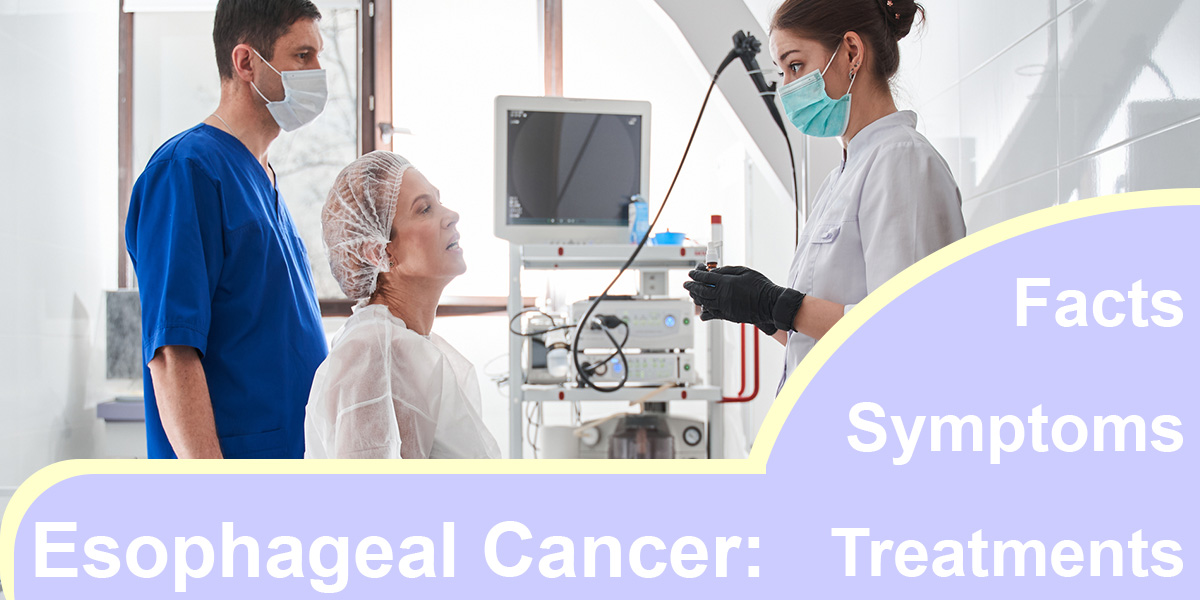
What is Esophageal Cancer? Facts, Symptoms & Treatment

What is Esophageal Cancer? Facts, Symptoms & Treatment Esophageal cancer, though relatively rare, is a serious condition that affects the esophagus, the muscular tube that connects the throat to the stomach. It is estimated that around 18,000 new cases of...